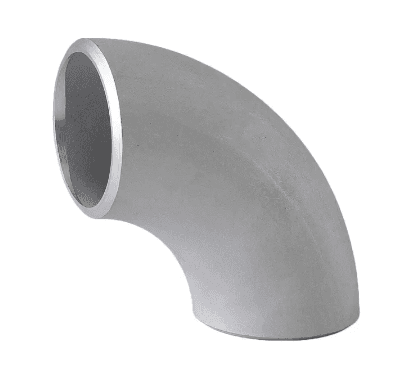
90° Elbow
A right-angle turn. Long-radius is the default for flow; short-radius is used where space is tight.
Browse catalogKnowledge
Pipe fittings are components used to connect, redirect, branch, reduce, or terminate piping systems. They help control the direction and flow of fluids while providing secure and reliable connections between pipes and equipment.
ASTM A403 · ASME B16.9 · Sch 10S / 40S / 80S · 1/2"–24"
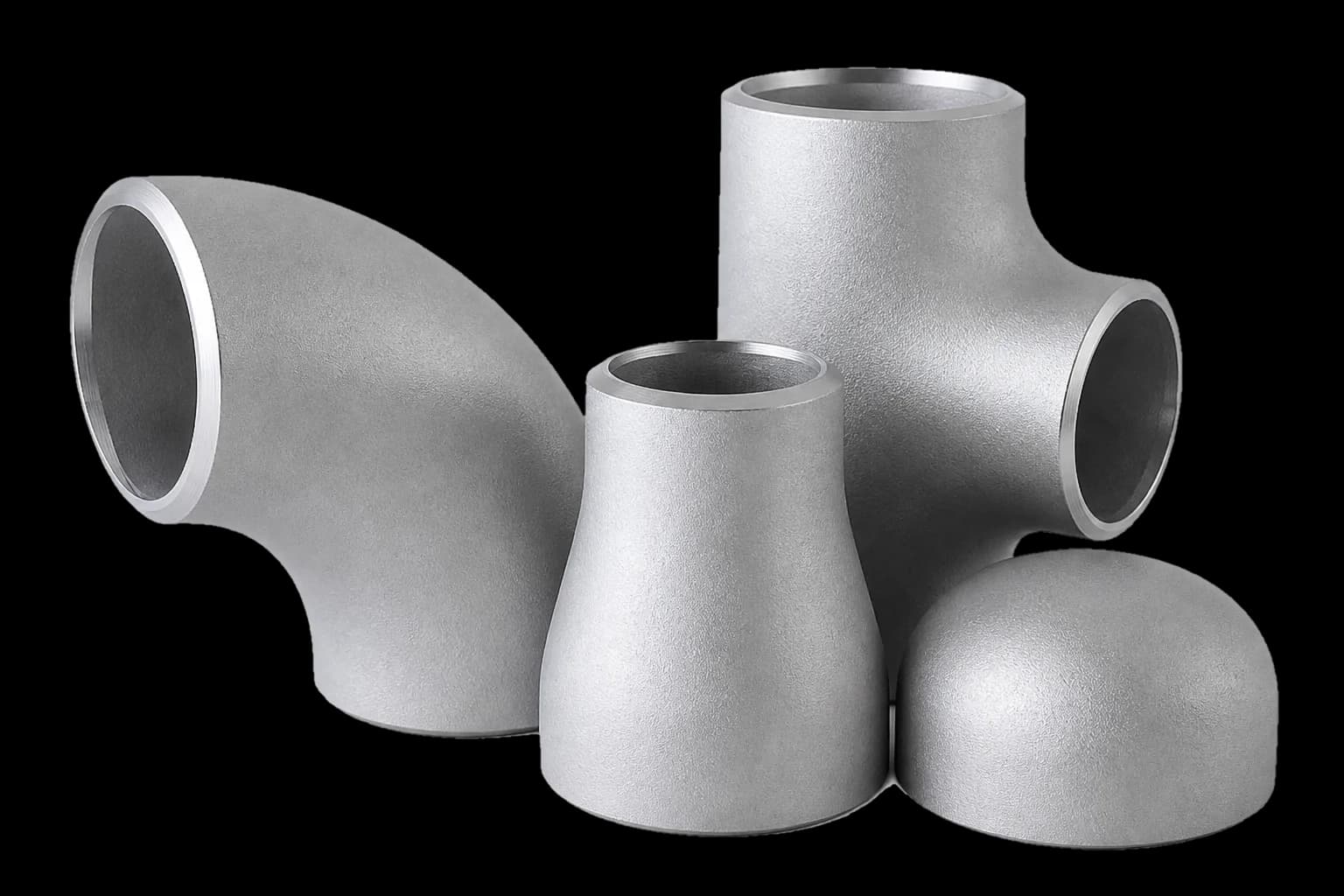
By job on the line
Direction
Turn the run without adding extra welds.
A right-angle turn. Long-radius is the default for flow; short-radius is used where space is tight.
Browse catalog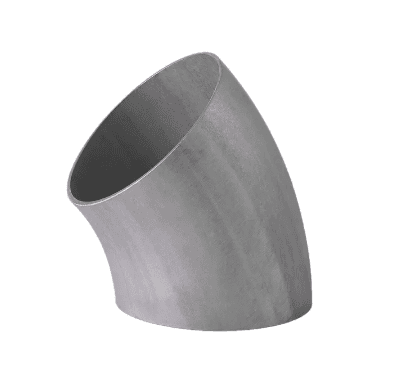
A shallower offset. Used to kick a line over, drop elevation, or split a 90° turn into two welds.
Browse catalogSize
Change diameter while keeping a butt-weld end.
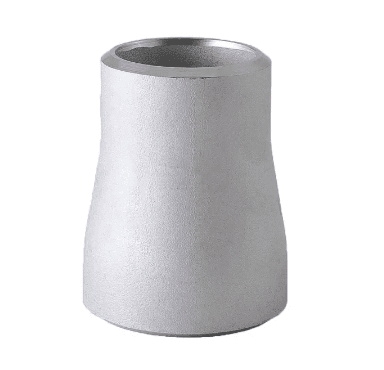
Centerlines stay aligned. Use it in vertical runs and wherever the bore should remain concentric.
Browse catalog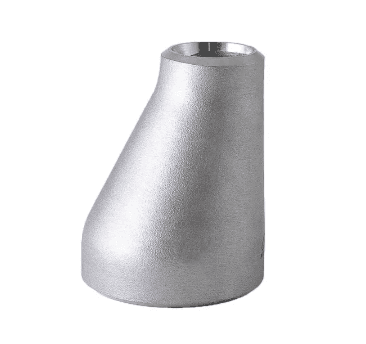
One side stays flat. Flat-on-top avoids a vapor pocket at a pump suction; flat-on-bottom drains a horizontal line.
Browse catalogBranch
Take flow off the header, equal or reducing.
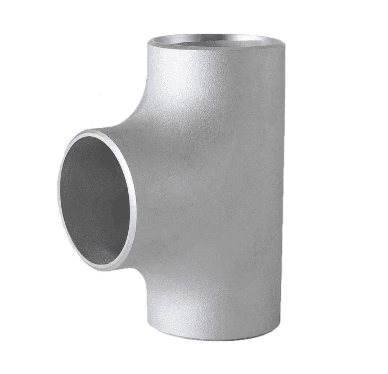
Run and branch are the same size. The standard three-way joint for headers and take-offs.
Browse catalog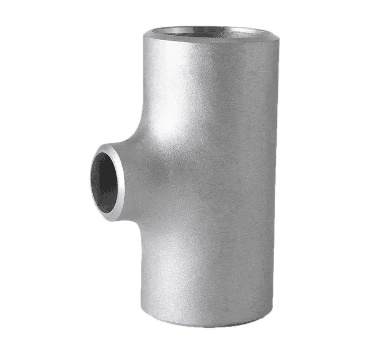
The branch is smaller than the run. Use it when a take-off does not need the full header size.
Browse catalog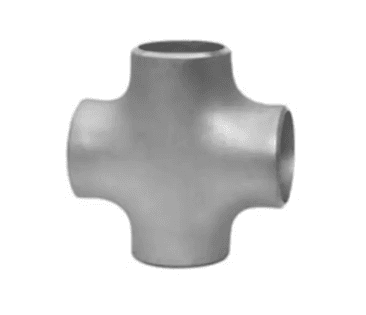
Four outlets in one fitting. Used where two branches leave the same point, not as a default joint.
Browse catalogClose
Shut the pipe with a weld, not a flange.
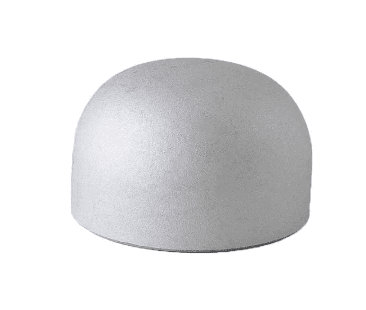
A formed head that welds onto the pipe end. Permanent closure for a dead-leg, test point, or future extension.
Browse catalogConnect
The fitting that makes a lap-joint flange work.
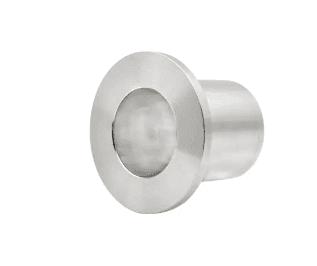
A short flanged nipple. The lap-joint ring slips over it, so bolt holes can rotate and the ring can be a different grade.
Browse catalogASTM dimensions
Center-to-end, length, and weight by NPS. Click a plate to enlarge and read the table.
45° · 90° · ASTM
Equal · Reduced · ASTM
Concentric · Eccentric · ASTM
ASTM
ASTM
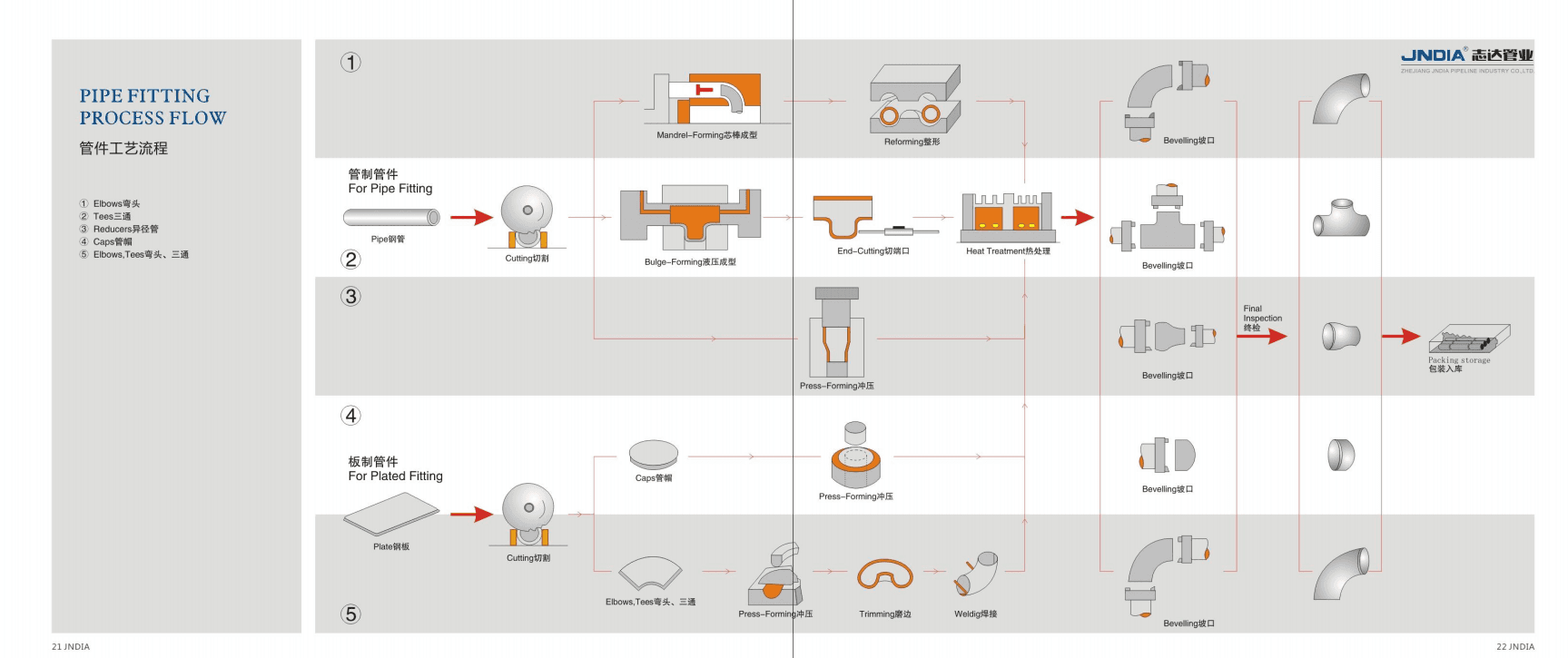
Five shop paths
Unlike flanges, fittings are not one sequence. Pipe and plate take different paths, and elbows, tees, reducers, and caps each form in their own way.
From Pipe
From Pipe
From Pipe
From Plate
From Plate
All paths meet at final inspection and packing.
Material
Stainless steel pipe fittings are used for their strength, corrosion resistance, and long service life.
Service